Diseases detection & prevention
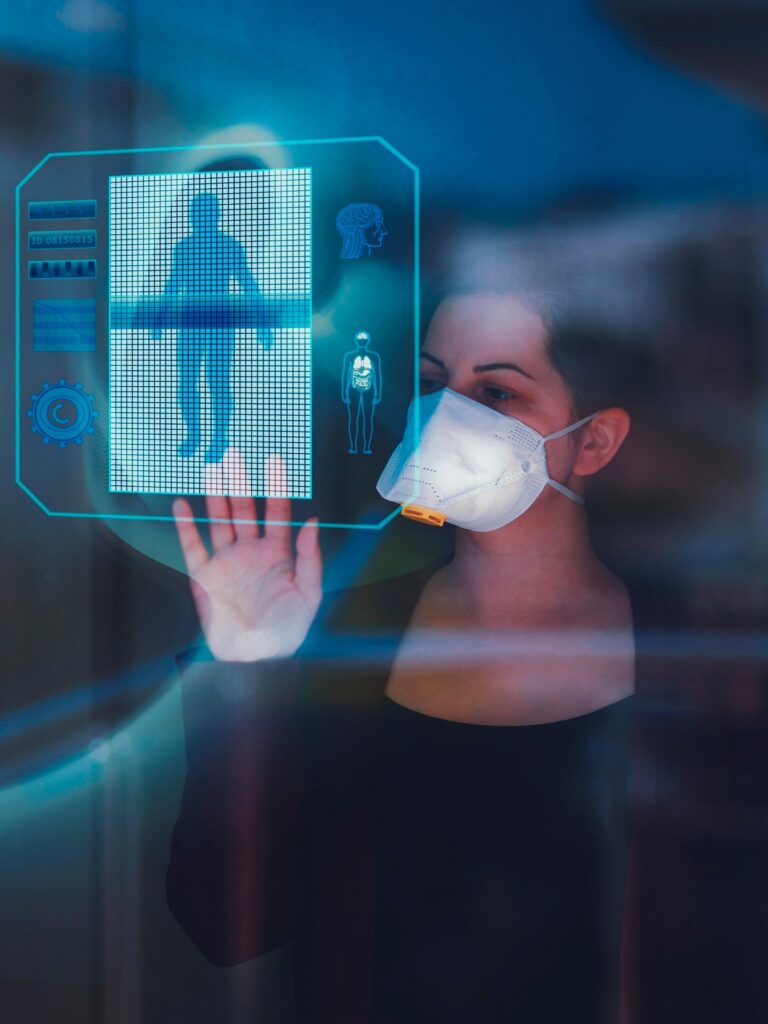
In our lab we are developing AI tools and strategies that improve primary healthcare and outcomes for vulnerable populations. By creating AI models that can assist with early disease detection, risk prediction, and clinical decision-making, the lab seeks to augment the capabilities of healthcare providers and improve patient outcomes. This focus includes research into advanced machine learning algorithms for image analysis, predictive modeling, and personalized treatment recommendations, ultimately striving to make diagnostics more accurate, timely, and accessible.
Older adults care
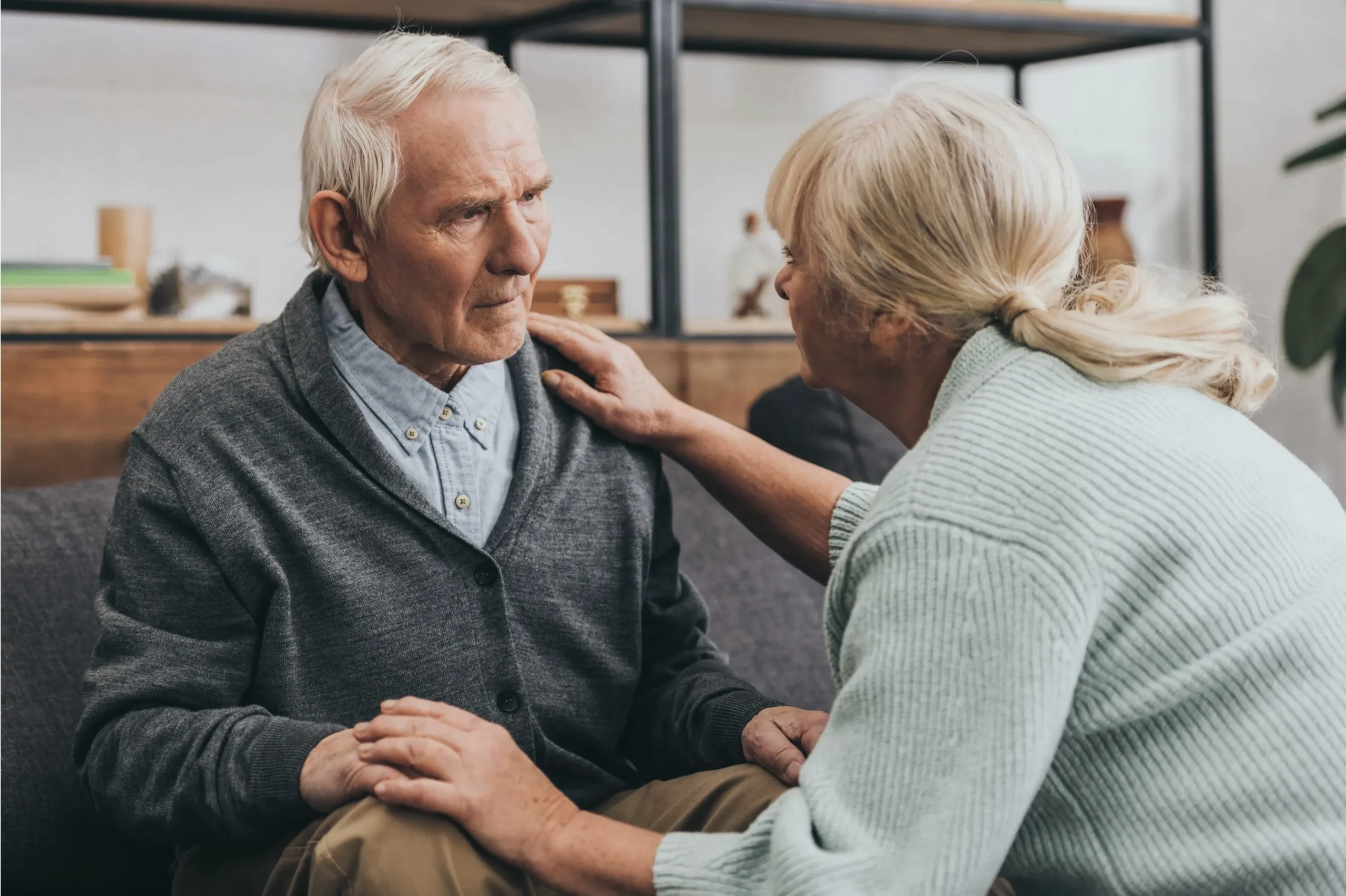
Our lab is dedicated to improving the landscape of geriatric care by using the power of AI to promote healthy, independent aging. We develop and validate cutting-edge solutions—ranging from predictive analytics for early disease detection to AI-powered assistive robotics and smart home monitoring—designed to address the complex needs of an aging population. By integrating machine learning with real-world health data, our research focuses on proactive interventions that manage chronic conditions, and alleviate social isolation. Our mission is to bridge the gap between advanced technology and human-centric care, ensuring that AI serves as a supportive tool that enhances the autonomy, safety, and overall quality of life for older adults and their caregivers.
Responsible AI in Health
At Rahimi’s lab, we are committed to the responsible use of AI in healthcare, ensuring that technology serves as a safe and ethical partner to human expertise. We don’t just develop AI tools; we build “safety-first” frameworks that prioritize fairness, transparency, and accountability. This means our research focuses on identifying and fixing biases in data to prevent unequal care, ensuring that AI decisions are “explainable” so doctors can understand the why behind a suggestion, and maintaining human oversight at every step.
AI and Medical Education
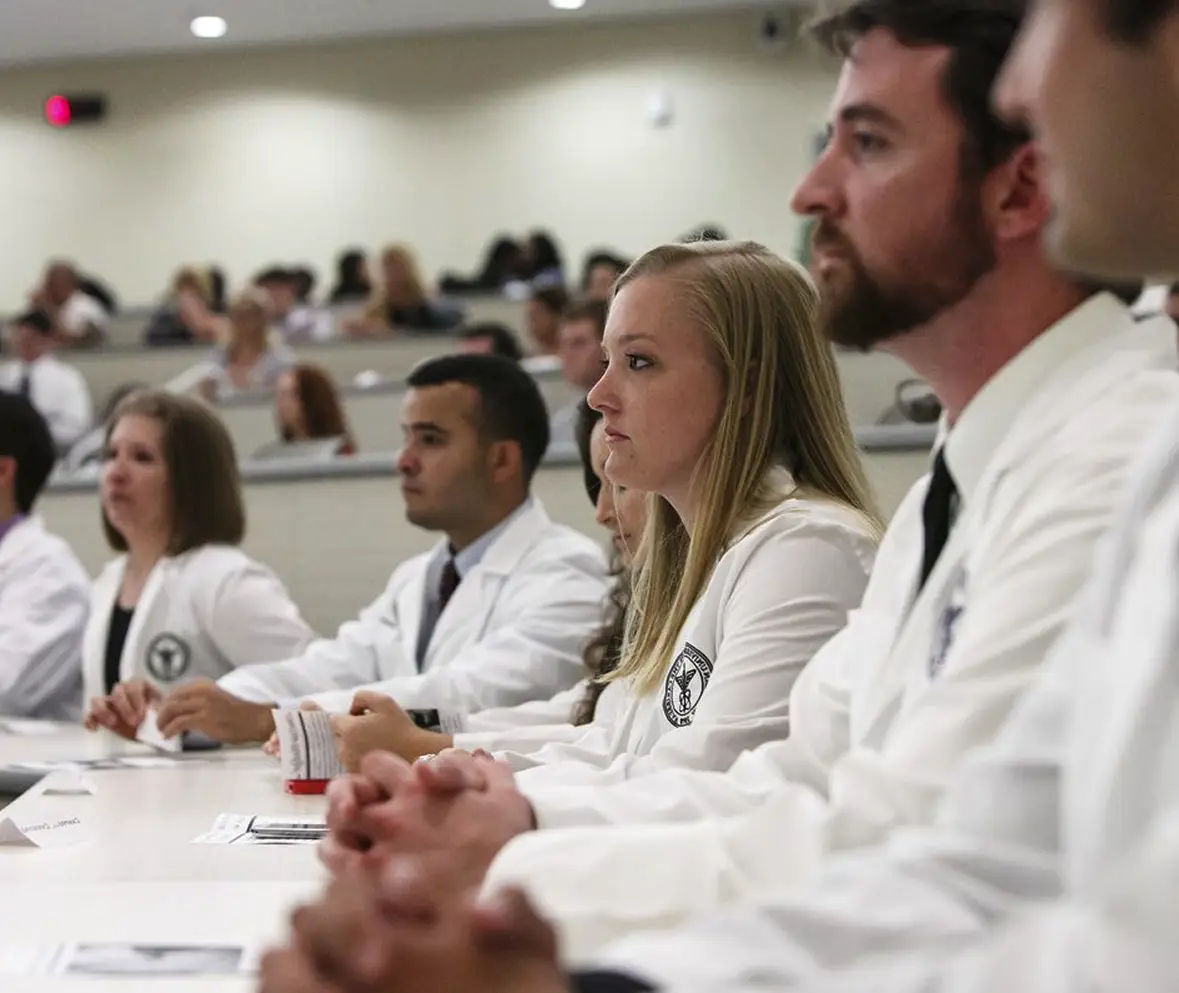
In our lab, we are redefining the care providers’ training pipeline by pioneering the use of AI in and for medical education. Our research uniquely focuses on the development of intelligent tools and the creation of robust curriculum frameworks designed to teach AI to care providers and trainees. We believe that mastery of healthcare in the 21st century requires more than just clinical knowledge; it demands AI literacy.